An Intentional Eucharistic Community
at The Shrine of St. Joseph
The Emmaus Christian Community is an inclusive, progressive Catholic intentional community. We choose to worship and participate in a lay-run community, and everyone is welcome. We are self-governing and have worked in partnership with the Trinitarians for over 60 years.
We treasure the unique qualities of each individual and work to create an environment to support personal spiritual growth. We participate in dialogue homilies during Mass, at which time individuals are invited, if they wish, to share their insights in to the Sunday readings. This practice helps everyone ‘break open the word.’
The cornerstones of our community are liturgy, prayer, community and service.
We are an alternative to the traditional, geographical parish. We were created by a small group of families who wanted to educate their children in the tenants of Vatican II. We remain committed to the ideals of Vatican II.
While liturgy is the most consistent venue for us to connect as a community on a regular basis, it is only one source of our connectedness. Our cornerstones are liturgy, prayer, community and service.
Our Masses are currently celebrated in the chapel at 9:45 on Sunday.


See What Makes Us Unique
ALL are welcome at our liturgies. Membership is not a requirement. Click above to see more!

Visit The Shrine
The beautiful solitude of the Shrine offers a prayerful respite, a unique and welcoming space for you.

Our Latest Events
Click above to see pictures from the Rain Garden Project!
Photo Gallery

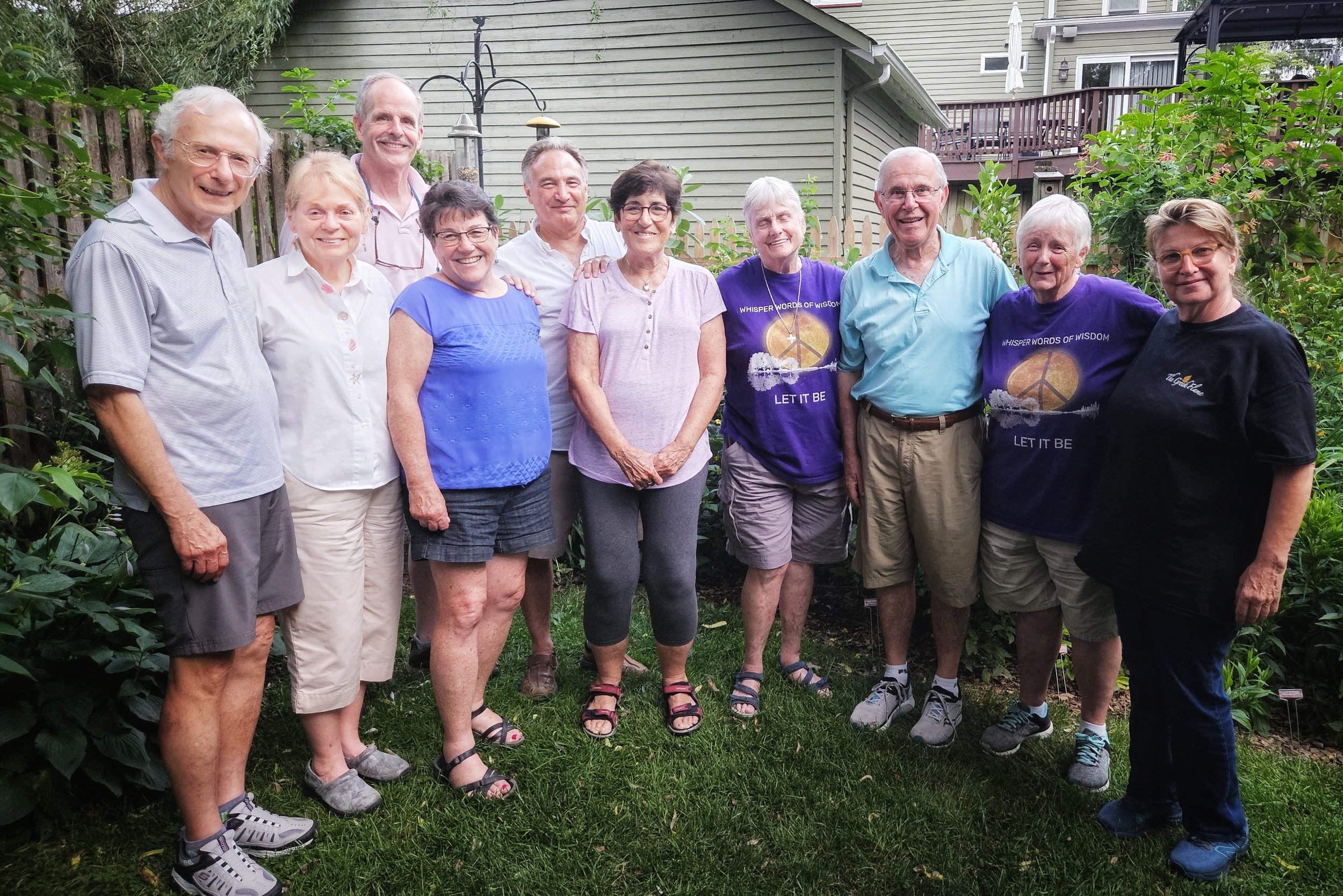
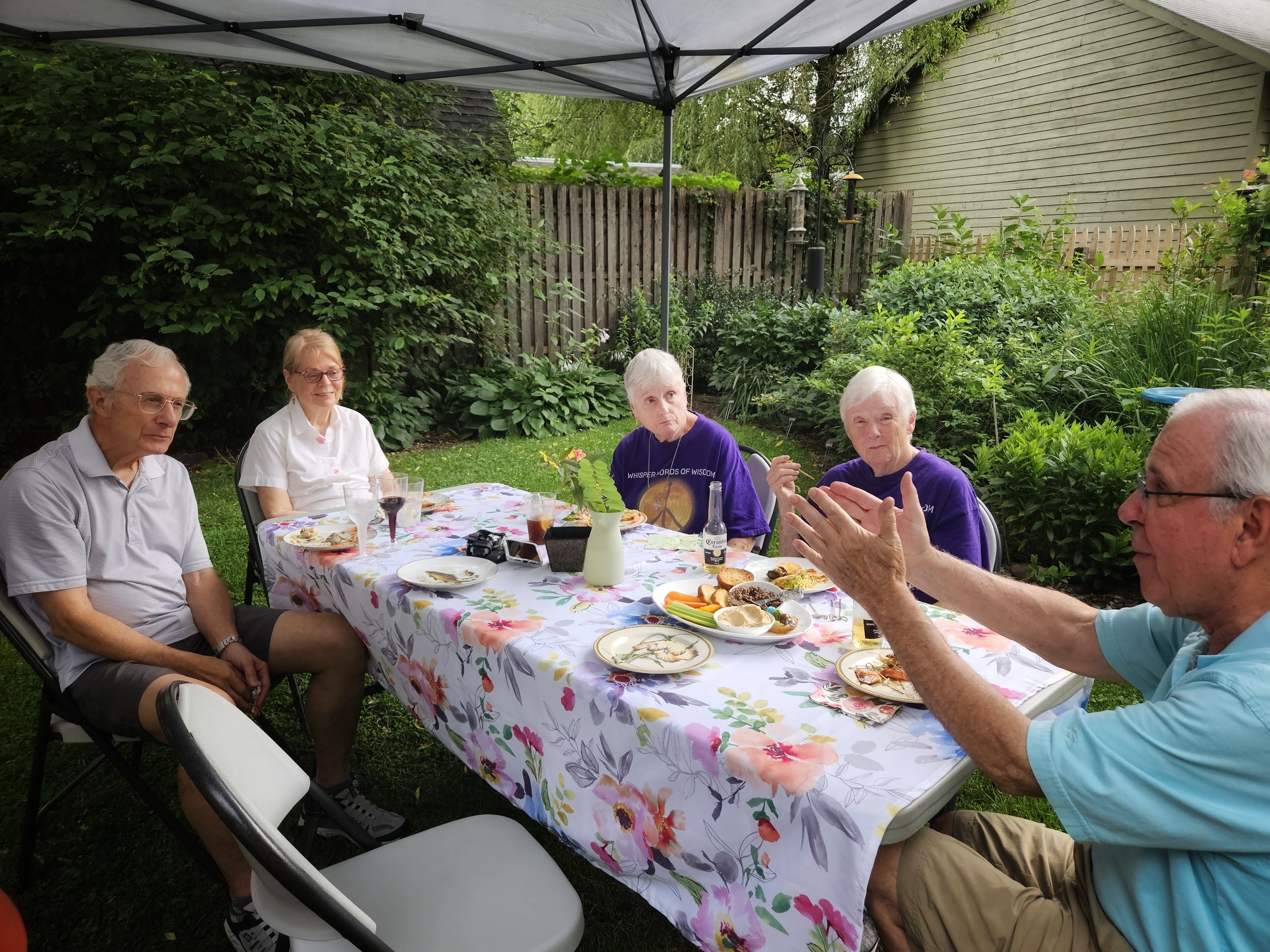
Table sharing, "Growing in Community: Lessons from the Bees (and our ECC Beekeepers)"

Table sharing, "Growing in Community: Lessons from the Bees (and our ECC Beekeepers)"


Table sharing, "Growing in Community: Lessons from the Bees (and our ECC Beekeepers)"


Table sharing, "Growing in Community: Lessons from the Bees (and our ECC Beekeepers)"

Table sharing, "Growing in Community: Lessons from the Bees (and our ECC Beekeepers)"


Table sharing, "Growing in Community: Lessons from the Bees (and our ECC Beekeepers)"




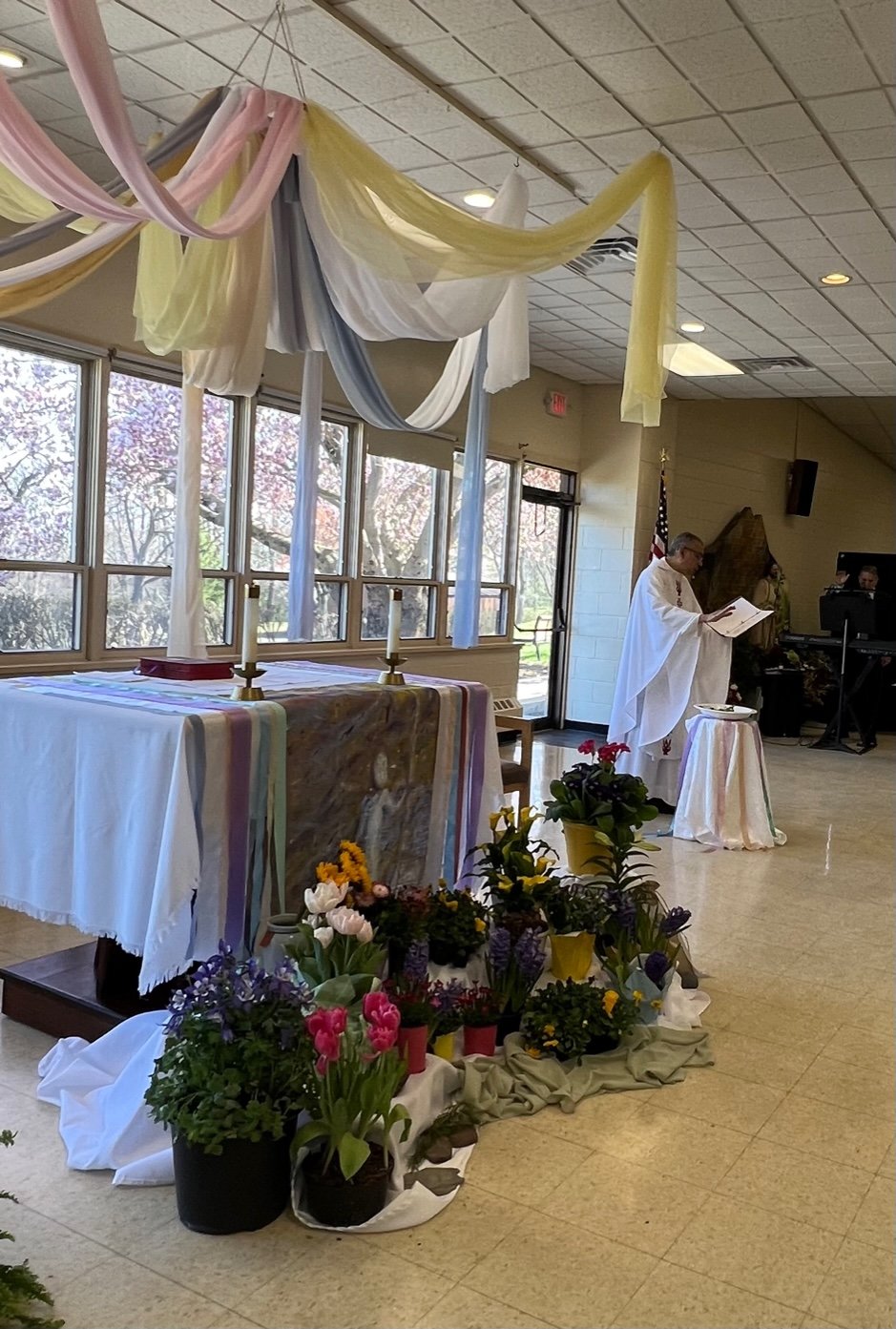
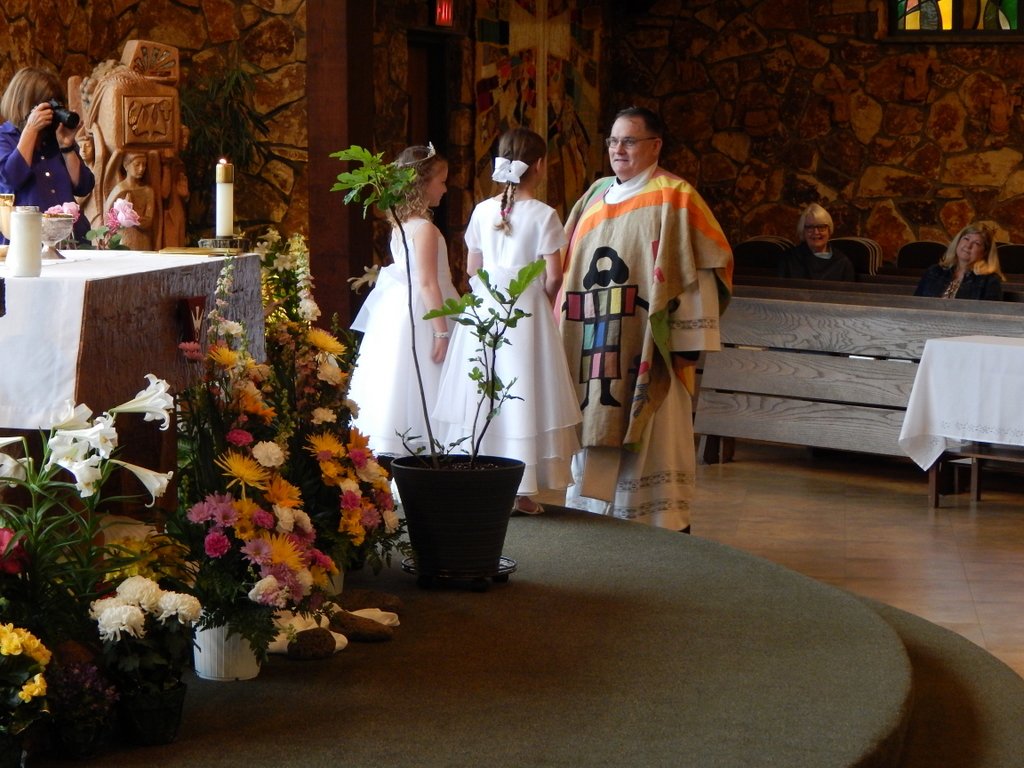


October 2024 - Father Charley returns to the ECC for a day.

October 2024 - Father Charley returns to the ECC for a day.

Silent Memorials, a powerful and moving display of The Black Poster Project where people can walk through at their own pace reading the stories of each soul lost to drug addiction and overdose.

22 members of Emmaus made 275 lunches to be distributed at St Joseph Social Service Center in Elizabeth. Each lunch had 2 sandwiches, a snack, and an apple. The lunches will be distributed over the next few days. We honor Pope Francis' call to "feed the hungry."

22 members of Emmaus made 275 lunches to be distributed at St Joseph Social Service Center in Elizabeth. Each lunch had 2 sandwiches, a snack, and an apple. The lunches will be distributed over the next few days. We honor Pope Francis' call to "feed the hungry."

22 members of Emmaus made 275 lunches to be distributed at St Joseph Social Service Center in Elizabeth. Each lunch had 2 sandwiches, a snack, and an apple. The lunches will be distributed over the next few days. We honor Pope Francis' call to "feed the hungry."

22 members of Emmaus made 275 lunches to be distributed at St Joseph Social Service Center in Elizabeth. Each lunch had 2 sandwiches, a snack, and an apple. The lunches will be distributed over the next few days. We honor Pope Francis' call to "feed the hungry."

22 members of Emmaus made 275 lunches to be distributed at St Joseph Social Service Center in Elizabeth. Each lunch had 2 sandwiches, a snack, and an apple. The lunches will be distributed over the next few days. We honor Pope Francis' call to "feed the hungry."



The ECC Tapestry
The large tapestry hanging in the chapel is one of the most visible symbols of Emmaus. The mosaic style (sewn from fabric swatches selected by each member) reflects the diversity, yet unity of our community; individual, yet centered on redemption.
We are the fabric of this tapestry; it reflects an image of us.
Palm Sunday Meditation
Now to the gate of my Jerusalem,
The seething holy city of my heart,
The Saviour comes. But will I welcome Him?
Oh crowds of easy feelings make a start;
They raise their hands, get caught up in the singing,
And think the battle won. Too soon they’ll find
The challenge, the reversal He is bringing
Changes their tune. I know what lies behind
The surface flourish that so quickly fades;
Self-interest, and fearful guardedness,
The hardness of the heart, its barricades,
And at the core, the dreadful emptiness
Of a perverted temple. Jesus come
Break my resistance and make me your home.